AI for Your Web Shop: 7 Ways to Boost Conversion (With Examples)
 Erwin Berkouwer
Web shops using AI convert 35% better than their competitors. Not by magic, but through 7 concrete applications you can implement today.
AI boosts web shop conversion by an average of 35% — not through one trick, but through seven targeted applications. Think personalized product recommendations, a 24/7 AI chatbot, and smart email personalization. Most tools start from €50-150 per month and pay for themselves within 4-6 weeks.
Every month without AI optimization is a month competitors are capturing that conversion boost. These are the seven applications that deliver the most — with concrete impact and a clear implementation order.
1. Personalized Product Recommendations
The number one AI application for e-commerce. And the easiest to get started with.
How it works: AI analyzes browse behavior, purchase history, and similar customer profiles to suggest products the visitor likely wants to buy.
Four formats that work:
| Type | Example | Average impact |
|---|---|---|
| "Others also bought" | Product page | +15% order value |
| Choice helper quiz | "Find your perfect product" | +25% conversion |
| Personal homepage | Based on browse history | +20% CTR |
| Email recommendations | Post-purchase follow-up | +30% repeat purchases |
Expert Tip: Start with "Others also bought" on your product pages. This requires minimal setup (one plugin) and delivers immediate results.
2. AI Chatbot as Sales Rep
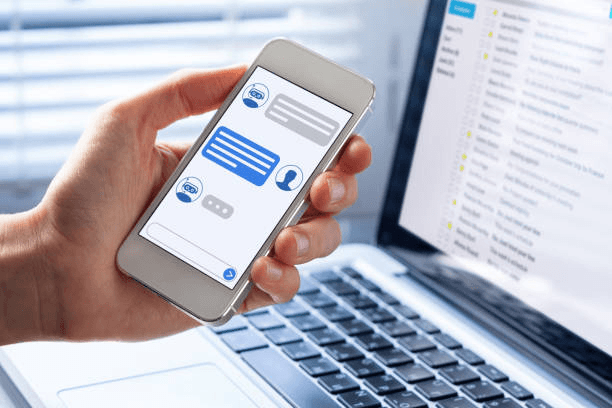
A good AI chatbot isn't an FAQ machine. It's a digital sales rep available 24/7.
What the best e-commerce chatbots do:
- Answer questions about sizing, material, and delivery time
- Recommend products based on the conversation
- Recover abandoned carts ("You had something in your cart")
- Handle return requests without human involvement
Impact: Up to 70% of frequently asked questions answered automatically. 15-20% conversion on chatbot interactions versus 2-3% average site conversion. See also how you automate AI customer service for broader applications beyond e-commerce.
3. Dynamic Pricing
AI adjusts prices based on demand, competition, inventory, and margins.
Three levels of dynamic pricing:
- Competitor monitoring: Check competitor prices daily and alert when you're over or underpriced
- Rule-based: Automatically discount with high inventory, premium with low inventory
- Fully dynamic: AI determines the optimal price per product based on demand elasticity
Impact: 8-15% higher average margin. For 1,000+ products, manual pricing optimization is impossible.
4. Smart Search Function
The standard web shop search is terrible. AI makes it usable.
What AI search does:
- Understands synonyms ("sneakers" = "sports shoes" = "trainers")
- Corrects misspellings automatically
- Ranks results by relevance, not alphabet
- Shows "Did you mean..." suggestions
- Learns from click behavior which results are best
Impact: Visitors using search convert 2-3x better. A better search function increases its usage by 40%.
5. Personalized Email Marketing
AI lifts email marketing from batch-and-blast to personal conversations.
Three AI applications in email:
- Optimal send time: AI determines per recipient when the chance of opening is greatest
- Dynamic content: Product blocks that automatically adapt to the recipient's interests
- Subject line optimization: AI generates and tests subject lines for higher open rates
Impact: Open rates from 18% to 30-35%. Click-through rates double through more relevant content. Combine this with an automated AI workflow to automate follow-up too.
6. Return Prediction and Prevention
Returns cost Dutch web shops an average of €12-15 per return. AI can prevent some.
How:
- Predicts which products have high return risk based on category, season, and customer profile
- Provides better sizing advice through AI analysis of previous purchases and returns
- Alerts you to customers with consistently high return behavior for custom communication
Impact: 15-25% fewer returns through better information and personal advice.
7. AI Inventory Optimization
Too much inventory = tied-up capital. Too little = missed sales. AI finds the balance.
Three predictions AI makes:
- Demand forecasting: How much of each product will you sell in the next 4 weeks?
- Seasonal patterns: When does demand rise or fall?
- Order timing: When do you need to reorder to get delivery on time?
Impact: 20-30% less overstock, 50% fewer out-of-stock situations.
When Is This Relevant for You?
AI for web shops delivers the most value if you:
- Have more than 100 products in your catalog (for meaningful personalization)
- Already get regular visitors but want to improve conversion
- Have a monthly revenue of €10,000+, so even 10% improvement pays for the tools
Too early for AI? First ensure your web shop loads fast (< 2 seconds), is mobile-friendly, and has a simple checkout process. AI reinforces what already works — it doesn't fix a broken foundation.
Want to know which other processes in your business are ripe for automation? Read 5 Processes SMBs Automate with AI Agents.
Implementation Roadmap
Don't do everything at once. This order maximizes impact with minimal investment:
| Phase | What | Investment | Expected impact |
|---|---|---|---|
| Month 1 | Product recommendations | €50-150/month | +15% order value |
| Month 2 | AI chatbot | €100-300/month | +10% conversion, -40% support tickets |
| Month 3 | Email personalization | €50-200/month | +60% email revenue |
| Month 4-6 | Search + pricing + inventory | €200-500/month | +8% margin, -20% overstock |
Frequently Asked Questions
Which AI application delivers fastest results for my web shop?
Product recommendations. They're relatively easy to implement (plugins available for Shopify, WooCommerce, and Magento), directly raise average order value by 10-30%, and ROI is visible within 2-4 weeks.
Does AI work for small web shops with few products?
Yes, but differently. With fewer than 100 products, personalized recommendations are less effective. Focus on an AI chatbot for customer questions, automated product descriptions, and smart email marketing. Those work regardless of your catalog size.
What does AI cost for an e-commerce business?
From free (Shopify built-in AI) to €500/month for advanced personalization. Most web shops start with €50-150/month for product recommendations and a chatbot. At average order increases of 15%, the investment pays for itself within a month.
Do I need technical knowledge to use AI for my web shop?
Not for basic applications. Product recommendations and AI chatbots are plug-and-play for popular web shop platforms. For advanced applications like dynamic pricing or inventory optimization, you need more configuration — or a partner to set it up for you.
How soon will I see results?
Product recommendations and AI chatbots show results within 1-2 weeks. Email personalization needs 2-4 weeks to learn patterns. Return and inventory optimization require 4-8 weeks of data before predictions are reliable.
Want to know which AI applications deliver the most for your specific web shop? Schedule a free consultation or check out our e-commerce AI agents.