From scattered systems to one overview: a step-by-step plan
 Erwin Berkouwer
To get from scattered systems to one overview, you don't have to replace your systems. You connect them step by step, start with one question you can't answer today and only expand once that works. Below you'll read why the overview is missing, what AI changes here, which step-by-step plan works and when it isn't worth it yet.
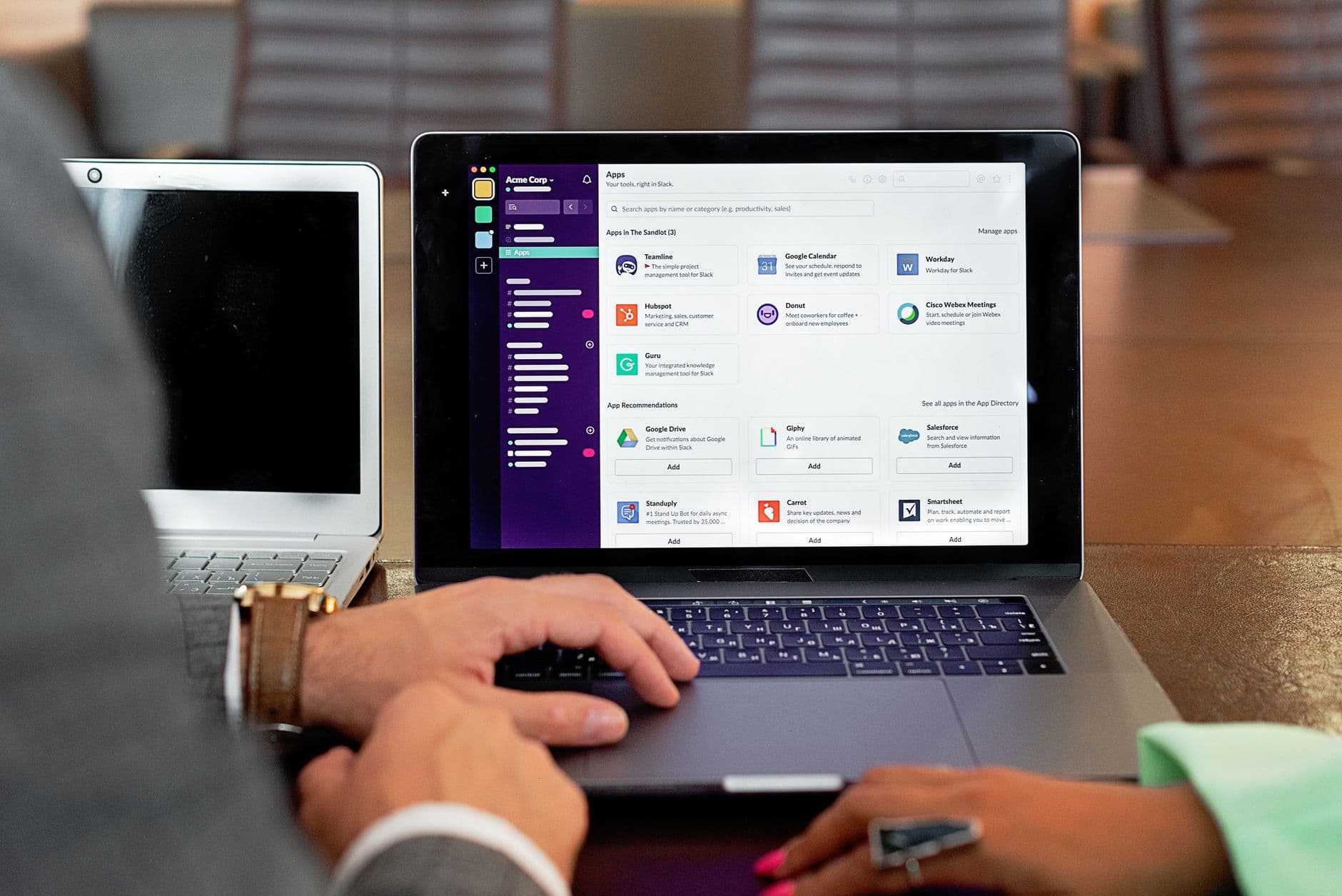
You know the feeling. You open Exact for the revenue, an Excel sheet for the planning, WhatsApp for the status of a job and your inbox to check whether that one quote was approved. Nowhere does the complete picture live. To know how your business is doing, you need four windows open and have to piece the puzzle together yourself.
That's not because you're badly organised. Your business grew with tools that were handy at the time, and nobody took the time to make them talk to each other. The result: separate systems that each work fine on their own, but together give you no overview.
Why do you have lots of data but no overview?
Most SMBs don't have too little data. They have too much data in too many places. An accounting package, a CRM, a planning tool, maybe an inventory system and a pile of spreadsheets that were knocked together quickly to plug a gap.
Each system was a sensible choice on its own. The problem only shows up with a question that cuts across those systems. Which customers are the most profitable once you count labour hours? Are we behind on planning because the stock numbers are off? Who do you need to call now about an open invoice?
You often answer questions like that only after half a day of copying and pasting between tabs, and by the time the overview is done, it's out of date again. So a missing overview isn't a reporting problem. It's a data problem you only notice once you ask a question your systems won't answer for you.
What does AI change here?
AI doesn't solve this by replacing your systems. It builds the bridge that's missing now, and it lets that bridge think along instead of only passing data through. Three things that are practical today:
- Connecting without a big IT job. Modern integration platforms and AI agents can pull together data from Exact, Moneybird, your CRM and even spreadsheets, without a developer for every connection.
- Asking questions in plain language. Instead of searching a dashboard with twenty charts, you ask: "Which customers have an invoice that's been open for more than 30 days?" and you get an answer based on current data from your systems.
- Flagging instead of searching. An AI agent can keep watch all the time and warn you about a schedule that's slipping, a margin that's shrinking or a customer who complains more often.
The point isn't that AI is smarter than a well-built dashboard. It's that AI lowers the barrier to building and maintaining that kind of overview, even for businesses without their own IT department. Where you used to hire an integration specialist for every connection, with the wait and the invoice, you can now put a first version in place faster with the right guidance and refine it afterwards. You can read more about the technical side in the integration layer: connecting systems in SMBs.
How do you get from scattered systems to an overview?
Don't start with a big project that tries to connect everything. That takes too long, costs too much and only delivers a result at the end. Build it up step by step.
- Map which systems you have and what's in them. Accounting, CRM, planning, inventory, spreadsheets. Note per system who manages it and what data it holds.
- Decide on the question you can't answer today. Not "we want an overview", but something concrete: "I want to know every Monday morning which orders are likely to run late." A sharp question gives you a sharp project.
- Pick one central place for the overview. That can be a simple dashboard or an AI layer that queries your systems. What matters is that it's one place, not yet another standalone tool.
- Connect the sources that add the most value first. That's usually accounting and CRM, because that's where most of the repeated actions and errors are.
- Test with real data and a person checking. Let the overview run alongside your current way of working for a while before you rely on it.
- Expand what works. Only add the next system once the first overview has proven itself. That avoids an expensive project that never goes live.
An independent AI adviser can help you think through which step gets you the most in your situation, so you're not guessing based on what a supplier recommends.
What does it cost to bring systems together?
Prices vary a lot by situation. The breakdown below is an indication of what to think about, not a quote.
| Approach | What it is | Investment (indicative) | Lead time |
|---|---|---|---|
| Single connection (2 systems) | One automatic link, for example CRM to accounting | €500 to €2,000 one-off | 1 to 3 weeks |
| Central overview or dashboard | One place where data from several systems comes together, with AI querying | €2,000 to €8,000 one-off, plus upkeep | 3 to 8 weeks |
| Full data layer or BI environment | Structural integration of all systems with history and reporting | €10,000+ and ongoing upkeep | 2 to 6 months |
On top of that, count on monthly costs for tools and upkeep, depending on the number of connections and the complexity. An AI scan gives you a first picture of where the biggest win is in your situation, before you spend money on a project.
When isn't it worth it yet?
Not every SMB is ready for an overview project, and that's fine.
- You have fewer than two systems. If you basically only work with an accounting package, email and a calendar, there's too little to connect to justify a project.
- Your data isn't right yet. If customer details in your CRM are already wrong, a connected overview just gives you wrong information faster. Clean up first, then connect. Data in order can help with that.
- You're about to switch systems. Don't build a bridge to a package you'll replace in six months. Wait until the new situation is stable.
- The problem is a process problem, not a data problem. If nobody knows who's responsible for a task, a dashboard won't fix that. Process first, then technology.
- You don't have time to make it stick. An overview nobody looks at is money thrown away. Someone has to use it and steer by it.
Sometimes the answer is: start small with one connection. Sometimes: clean up your CRM first. And sometimes: yes, this is the moment.
What's a good next step?
Start with a clear picture of your situation: which systems do you have, where's the most friction and what do you want to know that you don't know now? Make an AI scan for a first picture, or book an intro call if you'd rather talk it through first.
Frequently asked questions
Short, clear answers so you can decide faster.
Do I need to replace all my systems to get an overview?
Usually not. Most SMBs have perfectly good systems, they just don't talk to each other. A connection or central overview is often cheaper and faster than replacing, and you keep the tools you're used to.
How long before I see results?
A first connection or simple overview can often be running within a few weeks, especially if you start small at the spot where it hurts most.
Is this only for businesses with their own IT department?
No. Modern integration tools and AI agents make connecting and querying more accessible. You do need someone who asks the right questions and maintains the overview.
What happens to my data when I connect systems?
Done well, your data stays in your own systems and the overview shows it together, without a copy you no longer control. Always ask explicitly how this is set up before you start.
What if my systems change later?
A well-built overview is modular: you can replace one source without rebuilding everything. That's why you start small and go step by step instead of fixing everything in one go.